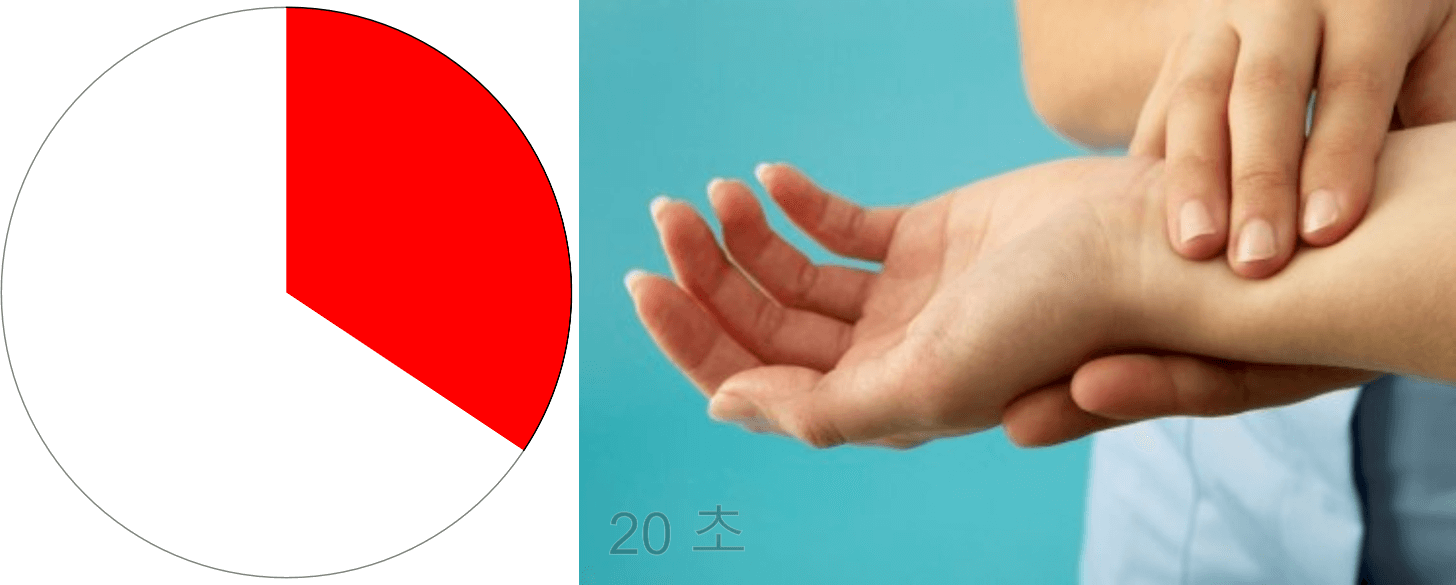
Stopwatch for Pulse Measurement
Pulse When the heartbeats, blood flows through the blood vessels in a certain rhythm, causing the blood vessels to vibrate. This vibration is called the pulse. So, by measuring your pulse rate, … more

Science simulation, Probeware, Coding
Pulse When the heartbeats, blood flows through the blood vessels in a certain rhythm, causing the blood vessels to vibrate. This vibration is called the pulse. So, by measuring your pulse rate, … more
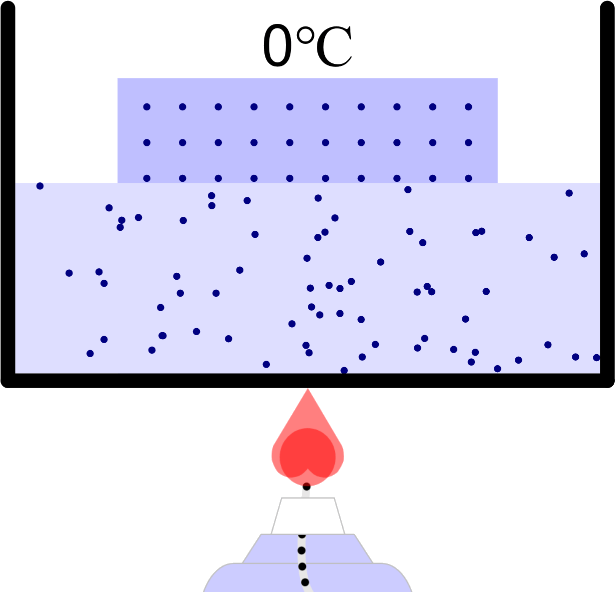
Melting point and heat of fusion When heat is applied to ice (solid), the temperature rises gradually. By the way, while the ice is melting, the temperature does not rise. Temperature is … more
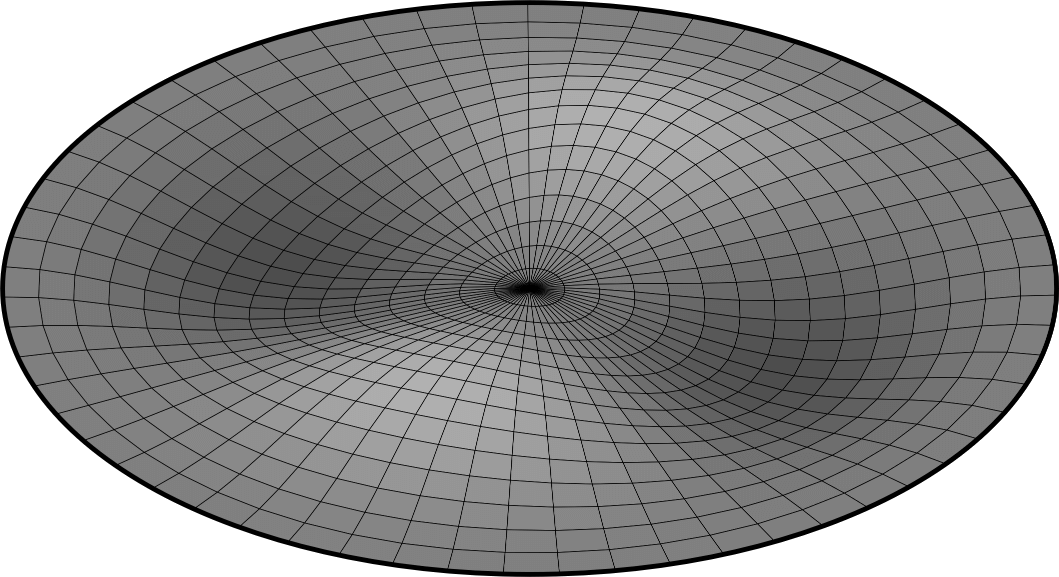
The standing wave of the drum In a standing wave, the position of the vibration node or antinode does not move. Since the drum has a fixed edge, the edge becomes the … more
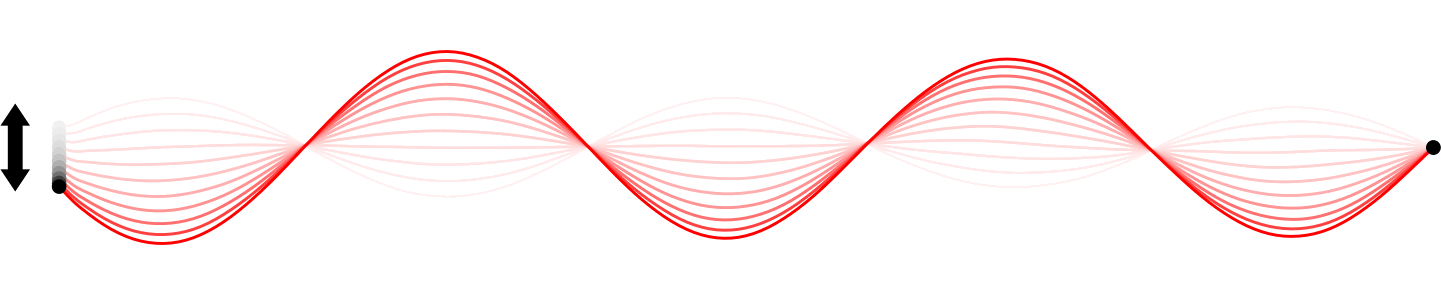
Reset The standing wave of the drum In a standing wave, the position of the vibration node or antinode does not move. Normally, standing waves are created by overlapping two or more … more
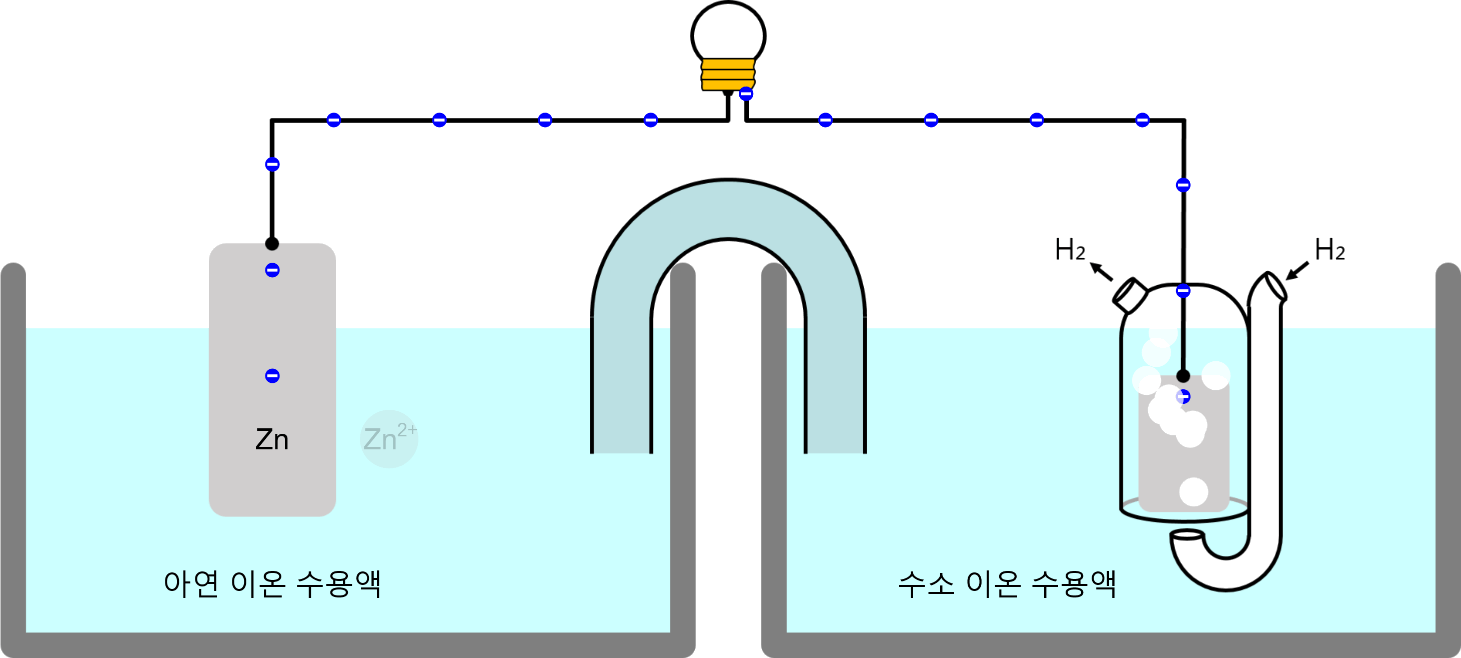
Standard hydrogen electrode A platinum electrode is inserted in a solution with a concentration of H+ of 1M, and hydrogen gas at 25℃ of 1 atm surrounding the platinum electrode is in … more
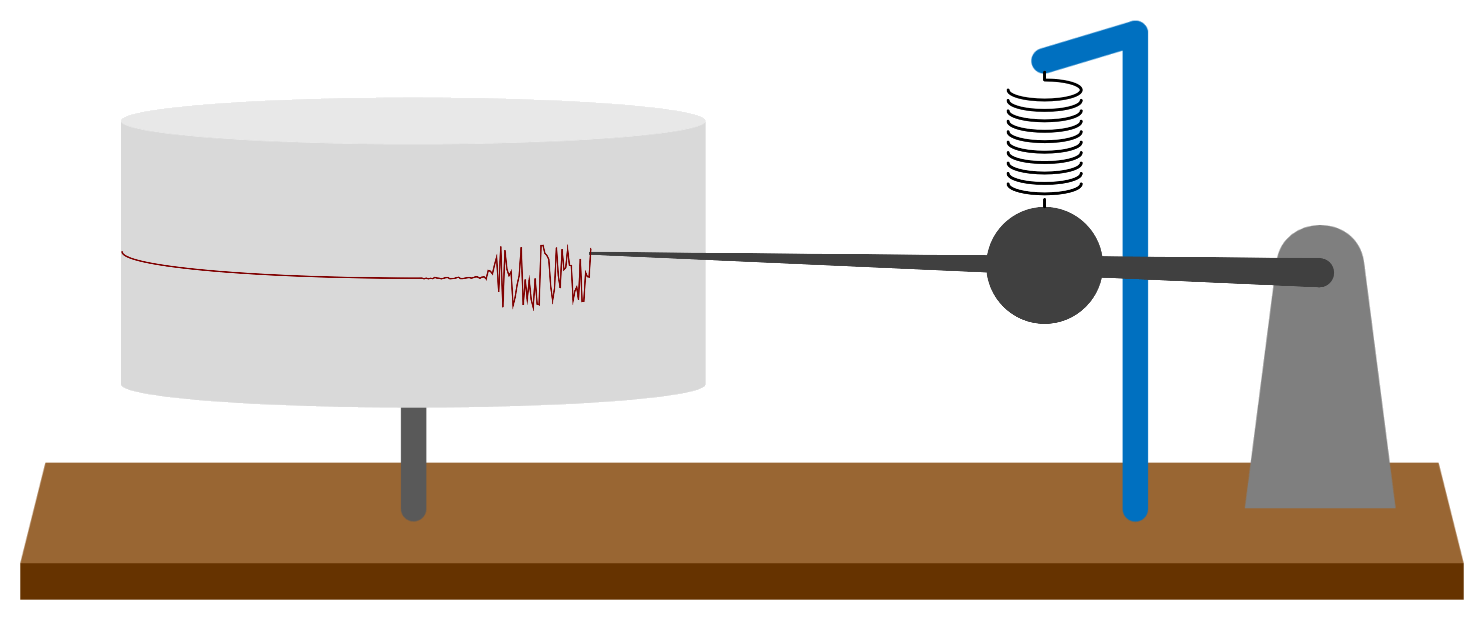
Inertia When the bus starts suddenly, the body momentarily leans backward. On the other hand, when the bus stops, the body is leaned forward. This is due to the nature of the … more
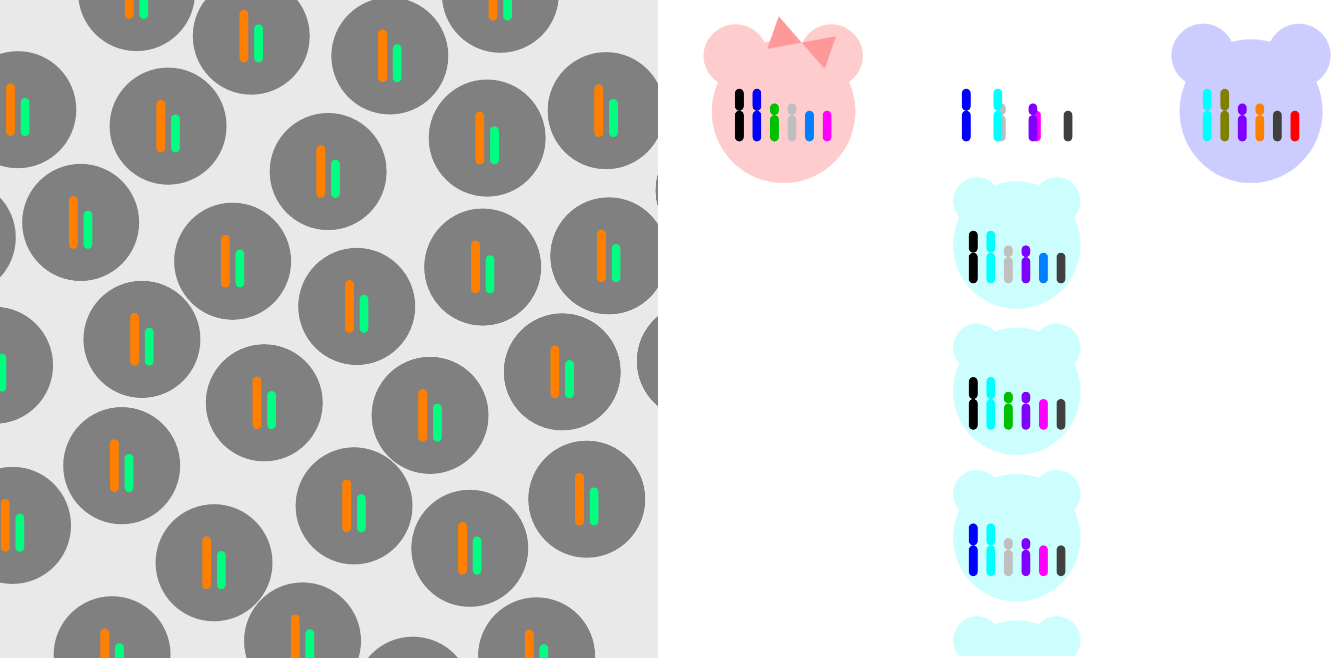
Asexual reproduction Some living things do not make reproductive cells. They make new offspring through cell division. This method of reproduction without male and female reproductive cells is called asexual reproduction. Sexual … more

How cannonball become an artificial satellite? a. Imagine that a cannonball falls in a parabolic curve. The trajectory the cannonball draws is actually part of an elliptical orbit centered around the Earth. … more
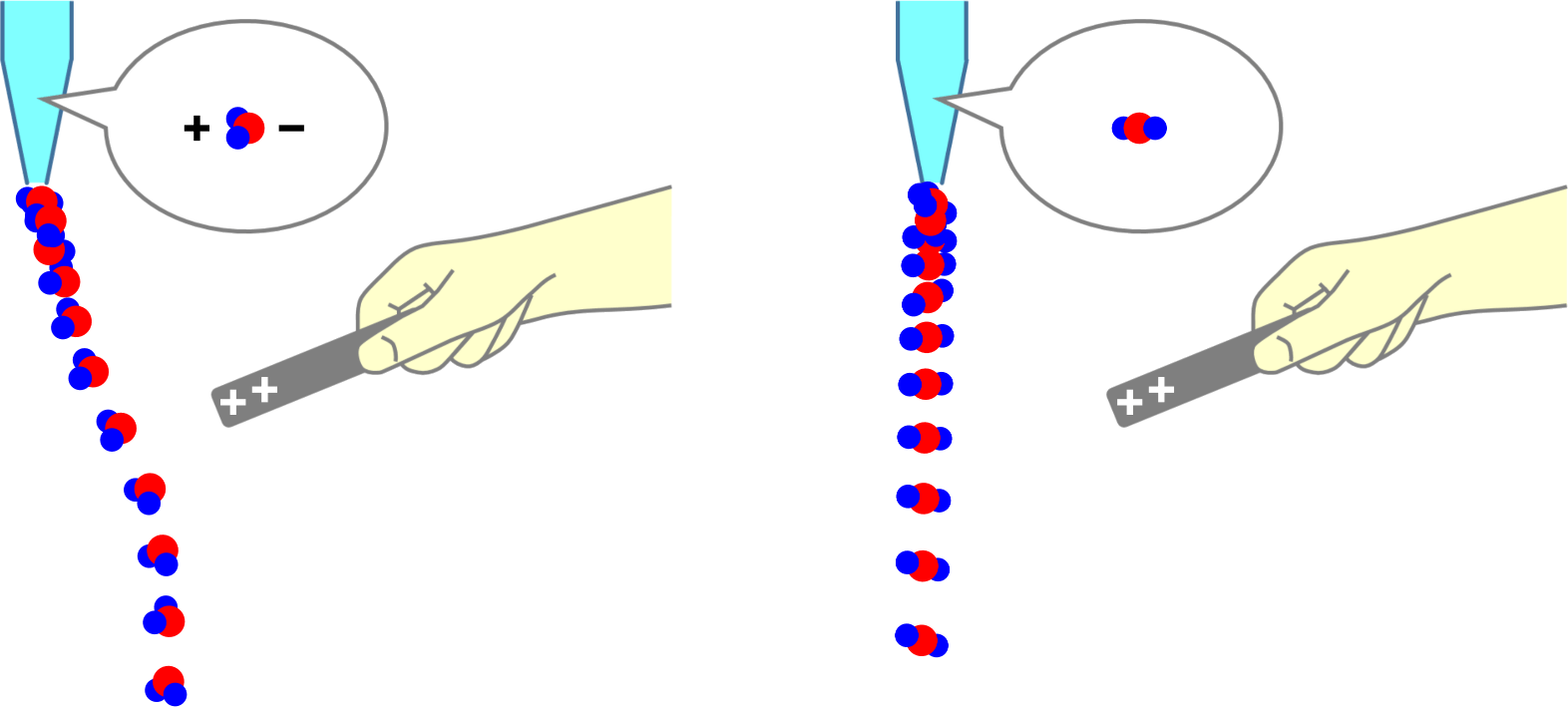
The structure of the water molecule Water is a representative ‘polar molecule’. The hydrogen-oxygen-hydrogen bonds that make up the water molecule have an angle of 104.5˚ and appear curved. Because of this … more
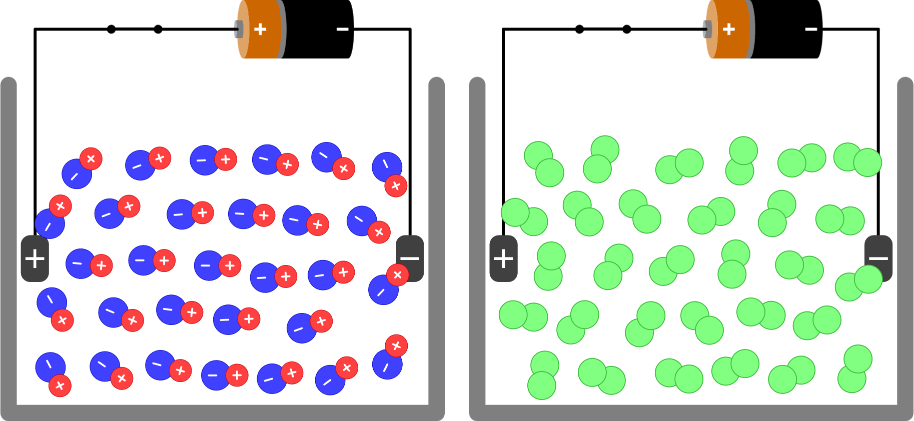
Polar molecule Polar molecules have polar covalent bonds between their constituent atoms, and the shape of the molecule is asymmetric. Therefore, the centers of positive and negative charges do not coincide. Just … more
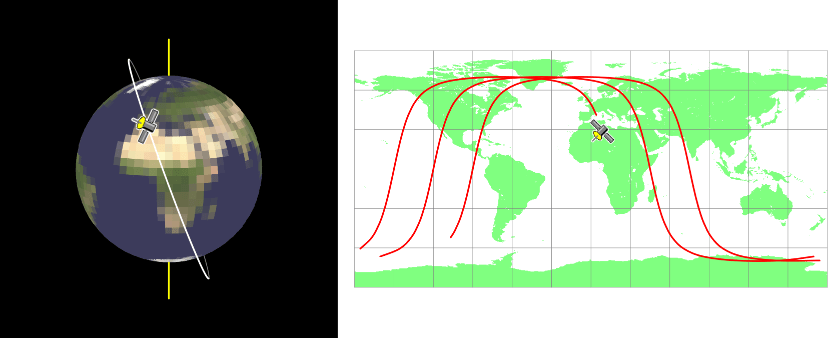
From the perspective of an observer on Earth, the orbits of satellites with an orbiting period of less than 24 hours appear to move westward little by little with each turn. This … more