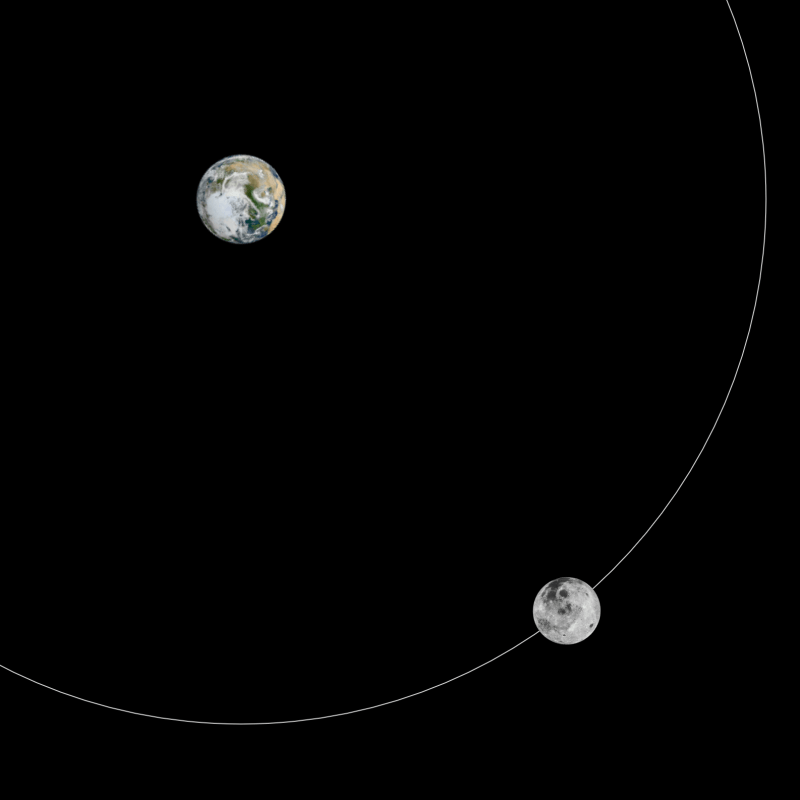
Why do we see only one side of the moon?
Why do we always see the same side of the moon? The moon’s rate of rotation and rate of revolution is the same.

Science simulation, Probeware, Coding
Why do we always see the same side of the moon? The moon’s rate of rotation and rate of revolution is the same.
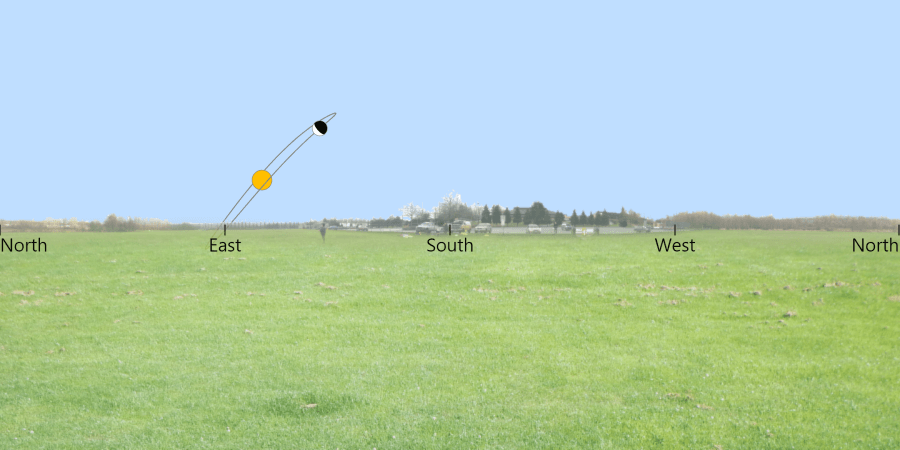
All planets in the Solar System revolve around the Sun in a counterclockwise direction when one views them from the celestial sphere’s north pole. Mercury and Venus are inner planets in the … more
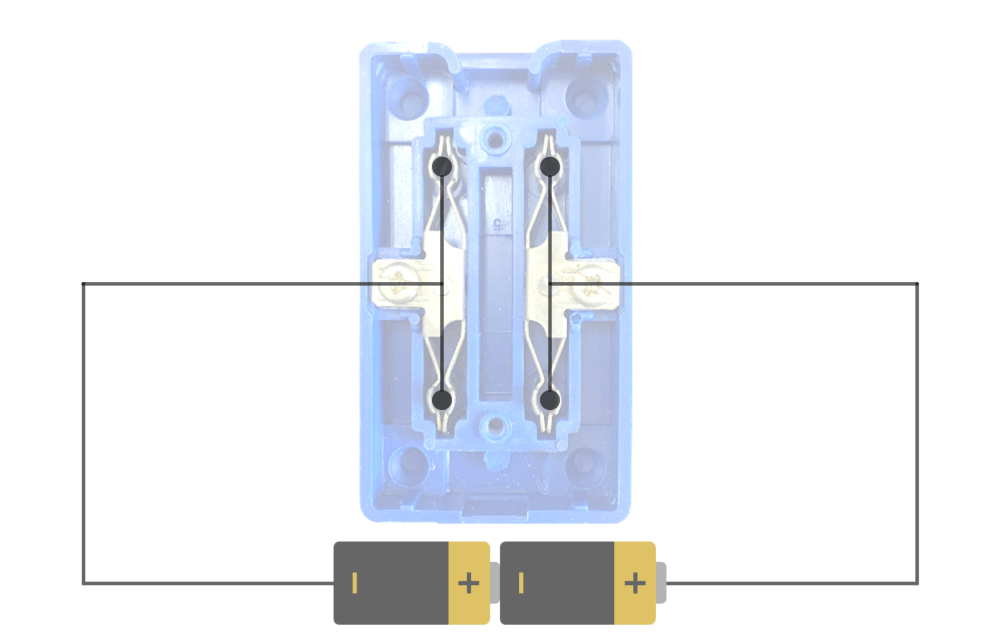
Parallel Circuit is a closed circuit in which the current follows more than one pathway. In a parallel circuit, if one bulb breaks, the bulbs in the other branch stay on. In … more
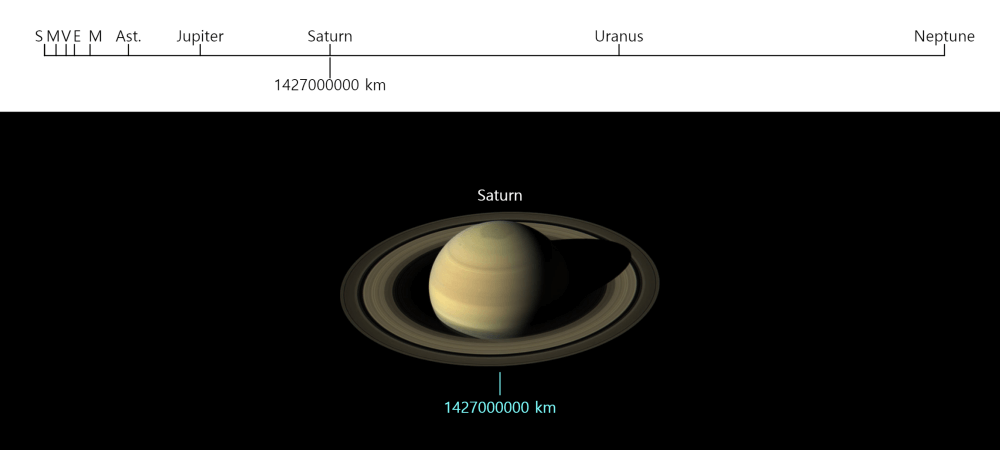
Press the button of the planet you want to go. Orbital radii of the planets has applied the average.
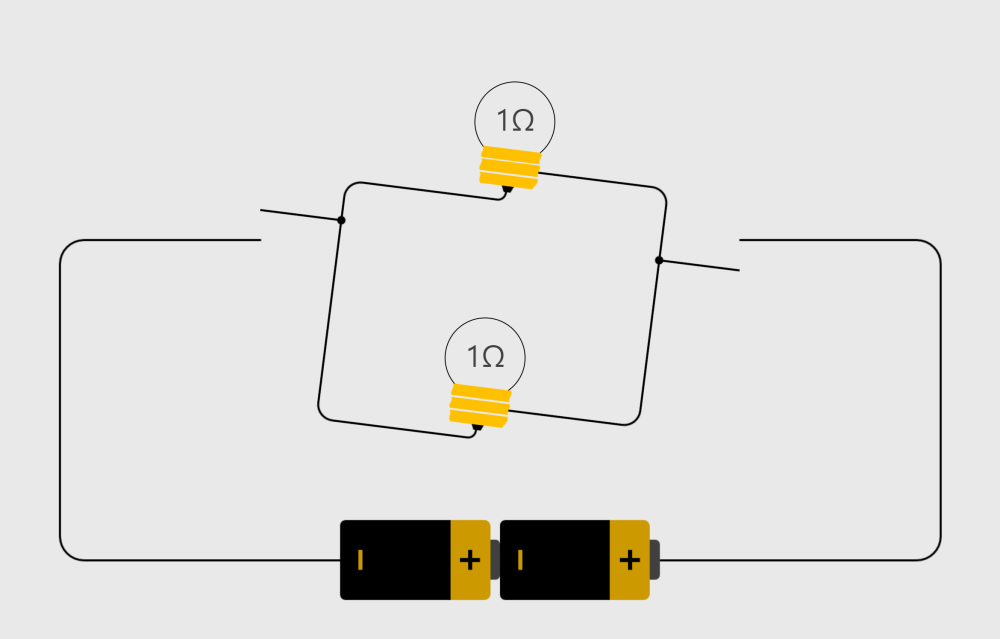
In parallel circuit, The current splits up when it comes to a branch. The current in all the branches adds up to the current in the main part of the circuit. If … more
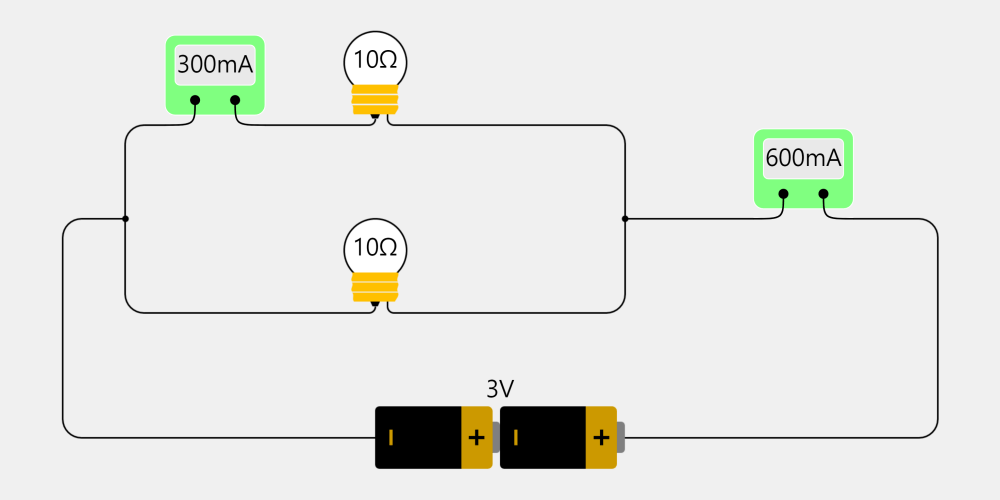
In the serial circuit, The current is the same everywhere. In the parallel circuit, The current splits up when it comes to a branch. The current in all the branches adds up … more
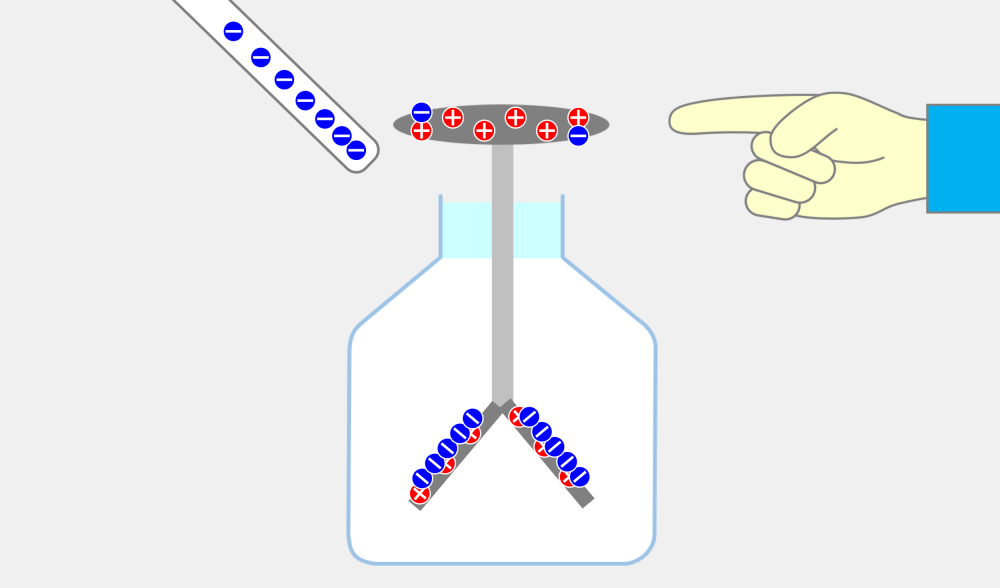
Electroscope An electroscope is a device used to detect whether an object is electrically charged. If the electroscope is charged beforehand with a known type of charge, it can also be used … more
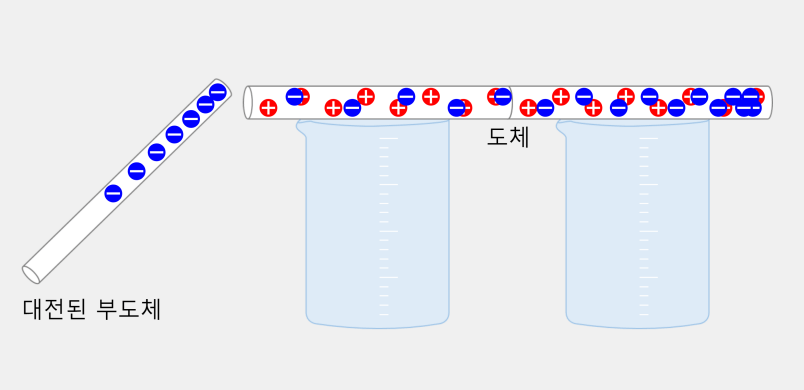
What happens when the charged body is close to the conductor? Electrostatic induction is a redistribution of electrical charge in an object caused by the influence of nearby charges. In the presence … more
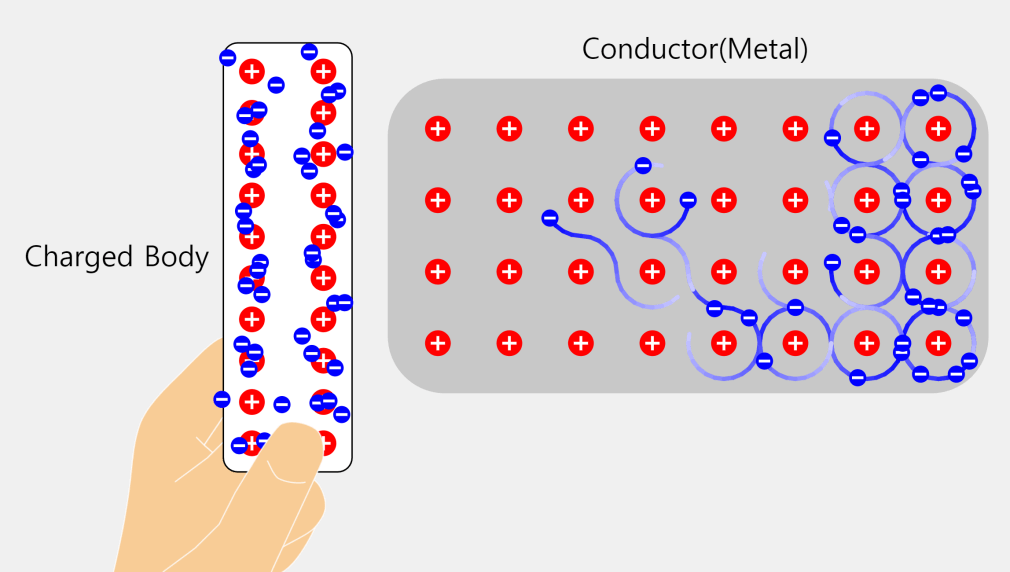
What happens when the charged body is close to the conductor? Electrostatic induction is a redistribution of electrical charge in an object caused by the influence of nearby charges. In the presence … more
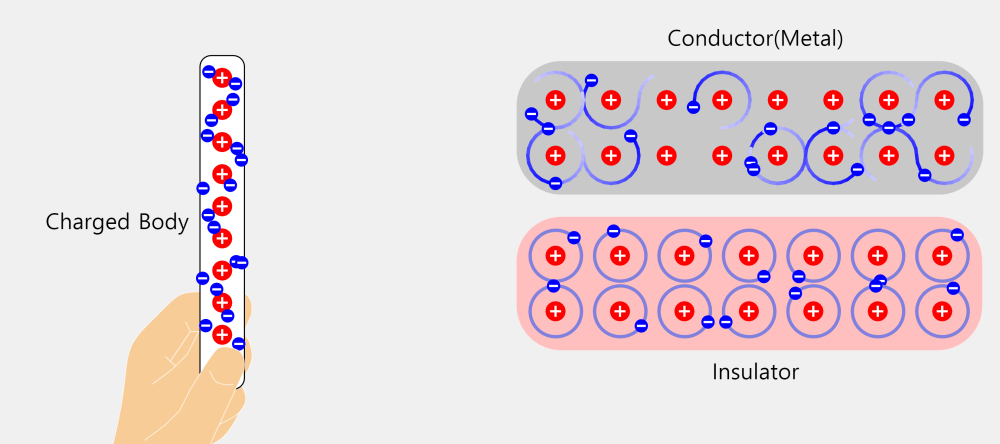
What happens when the charged body is close to the conductor and insulator? ConductorElectrostatic induction is a redistribution of electrical charge in an object caused by nearby charges’ influence. In the presence … more
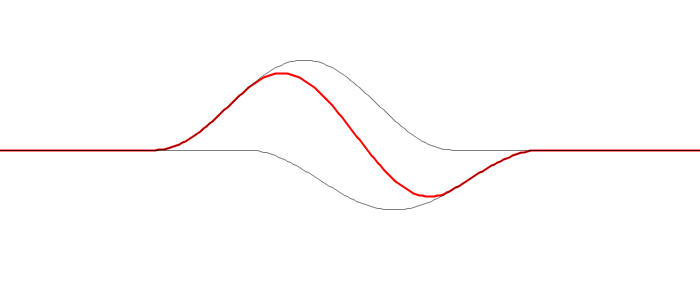
Superposition occurs when two or more waves pass through each other. When two or more waves superimpose, the amplitudes are added together. It creates constructive interference or destructive interference.